Guangzhou has woven a modern transportation network of "land, sea and air rail"

Guangzhou has woven a modern transportation network of "land, sea, air and rail", which runs through the whole city, connects the whole country and connects the whole world … Overlooking Guangzhou, a modern transportation network that runs through the whole city, connects the whole country and connects the whole world is gradually being woven-in 2020, the passenger volume of Baiyun Airport ranks first in the world; In 2021, Guangzhou Port completed cargo throughput of 651 million tons and container throughput of 24.47 million TEUs, ranking fourth and fifth respectively in the world. By the end of August this year, the mileage of Guangzhou Expressway (including 130 kilometers of toll expressway) reached 1,144 kilometers, ranking first in the province … Figures show the development of Guangzhou’s transportation network. At present, Guangzhou’s comprehensive three-dimensional traffic network has been initially established, and its functions as an international hub have been steadily enhanced, which has played an important supporting role in creating a strategic fulcrum for the province’s new development pattern, promoting the in-depth implementation of major national strategic layouts such as "Guangdong-Hong Kong-Macao Greater Bay Area" and "Traffic Power", and helping the construction of national central cities and comprehensive gateway cities to a new level. Baiyun Airport route and Nansha Port foreign trade route reach the whole world. Looking northward, planes take off and land in an orderly manner at Baiyun International Airport. Last year, over 40 million passengers arrived and set off here, and the passenger throughput ranked first in the country. From Baiyun Airport, the two-hour flight can cover southwest, central and southern China, the four-hour flight can cover China and East Asia, West Asia, South Asia and North Asia, and the twelve-hour flight can cover major cities in the world. The future,A brand-new T3 terminal will rise in the southeast of the existing terminal area of Baiyun Airport, becoming a "new engine" to accelerate the construction of world-class airports in Guangdong-Hong Kong-Macao Greater Bay Area and promote the high-quality development of Guangdong civil aviation. Looking to the south, trucks enter and leave the Nansha Port Terminal. On May 30th this year, Nansha Port officially opened the first China-Europe train since the Nansha Port railway operation, which truly realized the seamless connection between the Silk Road Economic Belt and the 21st Century Maritime Silk Road in Nansha Port, and Guangdong-Hong Kong-Macao Greater Bay Area has since opened a new operation mode of "international train+port+park+industry". The "Third Ring Road+Nineteen Shoots" road network reaches 20 prefecture-level cities in Guangdong Province, between Baiyun Airport and Nansha Port Area, and Guangzhou South Railway Station is witnessing the development of high-speed railway. Ten years ago, Guangzhou South Railway Station was just completed, and Guangzhou has just ushered in the first high-speed railway-Wuhan-Guangzhou high-speed railway. It takes three and a half hours to get from Guangzhou to Wuhan, and the "China Speed" begins in Guangzhou. The development of high-speed rail in China is changing rapidly. In 2021, the annual passenger flow of Guangzhou South Railway Station reached 124.39 million, ranking first in the annual passenger flow of national railway stations for many years in a row. Today, there are four high-speed rail exits from Guangzhou, including Wuhan-Guangzhou high-speed rail (Beijing-Guangzhou high-speed rail), Guangzhou-Shenzhen-Hong Kong high-speed rail, Guiguang high-speed rail and Nanguang high-speed rail. In addition, Guangzhou has planned a "two vertical and two horizontal" cross-shaped Guangzhou metropolitan area rail transit express network radiating from the center to the surrounding city centers, and is making every effort to build a 30-minute journey from Guangzhou center to Foshan and Dongguan centers.A 60-minute commuter circle to Zhongshan, Zhuhai and Qingyuan centers will create a new pattern of Greater Bay Area rail transit with "one ticket, one network and one city". The traffic network is smooth, and the blood flow of urban development is accelerated. Ten years ago, Guangzhou Expressway basically formed a "two rings (around the city+around the city) and 14 radial lines" expressway network layout; Today, the "Three Rings+Nineteen Shoots" main skeleton road network has basically taken shape. In the past ten years, Guangzhou has actively promoted the construction of high-speed network layout of ring+radiation, focusing on the construction and expansion of communication channels with surrounding cities. In 2018, the second phase (44 kilometers) of the North Third Ring Expressway was completed and opened to traffic, marking the completion of the Pearl River Delta Ring Road; In November 2020, the Huaguan Expressway (54 km) was completed and opened to traffic, which is of great significance to the economic integration of the Pearl River Delta. Today, the mileage of Guangzhou Expressway (including 130 kilometers of toll expressway) has reached 1,144 kilometers, ranking first in the province, and the density of expressway network in the city is 0.15 kilometers/square kilometer, which is in the forefront of the country; There are 21 expressway connecting with Greater Bay Area, reaching 20 prefecture-level cities in Guangdong Province and most provinces and cities in China. The subway speeds up the connection of Guangzhou-Foshan city bus to your doorstep. The traffic in the city is the artery of regional development, and the busy subway and bus are a microcosm of the city’s prosperity. The mileage of Guangzhou Metro has increased from 236 kilometers in 2012 to 621 kilometers at present, making it the third in China and the top five in the world. Three subway lines have been opened between Guangzhou and Buddha, and the process of urbanization has been accelerating.In the past ten years, Guangzhou has vigorously implemented the strategy of giving priority to the development of public transport and continuously improved the service level of urban public transport. 156 night bus lines rank among the top in the country. In the past ten years, Guangzhou has achieved full coverage of the bus network. The number and total length of bus lines in the six districts of downtown Guangzhou have increased from 726 and 11,411 kilometers to 843 and 14,373 kilometers, and a three-level bus system of "trunk, branch and micro" has been established. The 500-meter coverage rate of bus stops in the built-up area has increased from 87.30% to 100%. On August 12th, Dayuan Street, Baiyun District, opened the "Special Line for Supporting the Army and Benefiting Family Members", which is 9 kilometers long and has 13 stations along the way, so that officers and soldiers, their families and residents of Dayuan Street along the line can connect to the "last mile" of the subway and get to the "home door" by car. In the past ten years, Guangzhou has vigorously promoted the pilot work of convenience service vehicles. At present, there are 150 convenient service bus lines in Guangzhou, with an average daily passenger traffic of over 40,000 passengers. In the future, Guangzhou will be integrated into the global city coordinate system at a higher level and in a wider scope, improve the energy level of the comprehensive portal hub, and write a brand-new answer sheet for linking the world. Case Analysis The world’s first fully automatic terminal for river-sea-rail multimodal transport runs along the Pearl River, with red quays along the blue coast and orange unmanned intelligent guided vehicles passing by. The quays accurately complete container loading and unloading according to the instructions automatically issued by the information system. Intelligent guided vehicles automatically plan the path and transport the container to the destination through intelligent algorithms, just like the scenes in science fiction movies. On July 28 this year,Guangzhou Nansha Port Phase IV fully-automatic wharf was officially put into operation. This terminal is the first fully-automatic terminal for river-sea-rail multimodal transport in the world and the first newly-built automatic terminal in Guangdong-Hong Kong-Macao Greater Bay Area. It is understood that the "super brain" which directs the operation of the fully-automated terminal in Nansha Port Area Phase IV is the first in the world and has China’s independent intellectual property rights, and it is the most intelligent automated terminal information system. "With this information system, the machinery and vehicles in our terminal are very obedient to ensure efficient operation." He Yeke, general manager of the fourth phase project of Nansha Port Area, said that judging from the normalized real ship operation test carried out in the first half of this year, the current efficiency has exceeded the level of traditional manual container terminals, and the future operation efficiency will be higher. Nansha Port Phase IV Terminal is the largest fully-automatic terminal with horizontal layout in the world at present. It has the ability to operate 4 large ships and 16 barges at the same time and can adapt to the operation mode of multimodal transport. Liu Ming, director of the field of robotics and autonomous systems and director of the Autopilot Center of Hong Kong University of Science and Technology (Guangzhou), said that the automated terminal provided a low-cost solution for the automation transformation of the entire port industry, and it was also possible to upgrade the old terminal to an intelligent terminal. Under the same scale, the reconstructed wharf can save about 70% manpower. Twenty years ago, Longxue Island in Nansha, Guangzhou was once a desert island, with no roads and no electricity. Now, there are more and more giant ships berthing here, and it has become one of the busiest ports in the world. Ding Yingpin, deputy director of Nansha Engineering Office of Guangzhou Port, is one of the builders who have been sticking to the front line of Nansha Port.He told reporters that Nansha Port Area is an important support for Guangzhou to build an international shipping hub and an important bearing area for Greater Bay Area’s shipping function. In recent ten years, it is the peak period of Guangzhou port construction, with a total investment of more than 20 billion yuan. Ding Yingpin said: "In the past ten years, we have built the largest automobile ro-ro terminal port area in China, the largest grain terminal in South China, the largest single cold storage in China and the largest cold chain distribution center in South China. After the completion of the fourth phase project of Nansha Port, the annual container handling capacity of Nansha Port is expected to exceed 24 million TEUs, ranking among the top single port areas in the world. Seeing these achievements, I feel that all the efforts and efforts are worthwhile. " The largest single terminal building in China will be built in 2025, with towering construction machinery and huge "steel arms" working in an orderly manner; Welders are assembling the steel structure grid. The sparks caused by welding and the roar of construction facilities show the busyness of the construction site … This is a common scene in the West Fourth Finger Gallery project of Guangzhou Baiyun International Airport Phase III expansion project. The West Four Finger Gallery Project and the East Four Finger Gallery Project of T2 Terminal are both important parts of the third phase expansion project of Baiyun Airport. After completion, T1 and T2 terminals will be connected into a whole to form the first terminal area of Baiyun Airport. "The steel grid structure has a high installation height, a large vertical and horizontal span, a large number of structural members and different specifications, and the construction is not difficult. Therefore, we adopt the safety construction technology of’ in-situ assembly+super-large hydraulic synchronous lifting’, and divide the steel structure roof into four lifting areas.In each area, the grid structure will be lifted in place once after the floor assembly is completed. Kuang Weiguo, executive manager of China Construction Eighth Bureau, the construction unit of this project, said that this technology has reduced a lot of high-altitude hoisting and welding operations, and achieved higher precision measurement and positioning and error control, ensuring faster and higher quality completion of the project. As a key project to help build the regional development pattern of "one core, one belt and one district" in Guangdong, the third phase expansion project of Guangzhou Baiyun International Airport started on September 27, 2020, with a planned investment of over 54.4 billion yuan. In the future, the construction of T3 Terminal Building and Transportation Center, the largest single terminal building in China, will be carried out in an all-round way, and the earth and stone works in the flight area will be smoothly promoted. The East Fourth West Four Finger Gallery project will enter the main construction stage, and all parties will race against time to ensure that the third phase expansion project will be fully completed and put into use in 2025. Among them, the construction of T3 terminal attracts the most attention. T3 Terminal, with an area of over 420,000 square meters, was started on June 26th, 2021. After completion, it will become a terminal complex with multiple modes of transportation, introducing "two high-speed trains and two intercity trains"-Guanghe High-speed Railway, Guangzhou-Zhuhai (Macao) High-speed Railway, Guangzhou-Guangzhou-Shenzhen Intercity and Fangbai Intercity. Combined with the existing north extension line of Metro Line 3 in T1 and T2 Terminal, it will be possible to reach Guangzhou Railway Station or Guangzhou Baiyun within 20 minutes. Within 30 minutes, you can reach the old city and Tianhe central area through the expressway, and connect the Pearl River Delta urban agglomeration and Guangdong-Hong Kong-Macao Greater Bay Area to further enhance the competitiveness of Guangzhou International Aviation Hub.

Geely Xingyue L launched a new model, and the configuration of "Xingyun" and "Oriental Obsidian Today Edition" was upgraded.

Geely Automobile recently announced that its popular fuel SUV series will welcome two brand-new models-"Xingyun Edition" and "Dongfang Yao Today Edition". Both new models are equipped with powerful 2.0TD high-power engines, providing consumers with more choices.

At present, the market guidance price range of Geely Xingyue L series is 137,200 yuan to 185,200 yuan, while the guidance price of Xingyue L Dongfang Yao is between 169,700 yuan and 179,700 yuan. The launch of new models will undoubtedly further enrich the product line of Xingyue L series.

In terms of appearance design, both "Xingyun Edition" and "Dongfang Yao Today Edition" continue the classic style of Xingyue L series. The streamlined body and the traditional handlebar complement each other and show a unique charm. However, in terms of interior and configuration, the two new models have their own advantages.

"Xingyun Edition" adds a famous tea brown color scheme to the interior, creating a warm and elegant driving atmosphere. The car is also equipped with Mobius 8 speaker audio, light and shadow sunglasses, sun visor, driver’s seat massage and other luxury configurations. The passenger seat has also been fully upgraded, including 4-way electric adjustment, seat memory function and queen’s passenger seat design with one-button flattening/recovery. At the same time, the car is also equipped with mobile phone wireless charging (50W), multiple USB interfaces, original high-definition driving recorder and a number of intelligent driving assistance systems, such as FCW front collision warning and BSD blind area monitoring, etc., to provide all-round safety protection for drivers and passengers.

"Oriental Obsidian Today Edition" pays more attention to the integration of science and technology and luxury. The interior is decorated with Shaohua apricot color matching and four-door surround 72-color atmosphere lights, creating a fantastic driving space. At the same time, the car is also equipped with high-end configurations such as crystal handles, crystal knobs and Yanfei Lishi 12 speaker audio, so that drivers and passengers can enjoy unparalleled luxury experience while enjoying music. The addition of AR-HUD augmented reality head-up display system makes it more convenient for drivers to obtain vehicle information during driving.

In terms of cockpit, both new models continue the excellent design of the L series of Xingyue, equipped with a 12.3-inch full LCD instrument and a 12.3-inch dual screen, so that drivers can grasp the vehicle information at a glance. At the same time, the new car also uses a crystal electronic shift lever and function knob, which enhances the overall sense of luxury. The new car has also added a series of physical keys, and it is decorated with wooden decorative boards, which makes the cockpit more beautiful and practical.

In terms of power, both new models are equipped with 2.0TD high-power engines, with a maximum power of 175 kW and a peak torque of 350 Nm. The transmission system is matched with an 8-speed automatic manual transmission, which brings a smoother driving experience for drivers.

Food and Drug Administration: Falsification and fabrication of data in clinical trials will be severely punished

  BEIJING, Oct. 9 (Xinhua)-Talking about the reform of clinical trial management, Wang Zhexiong, director of the china food and drug administration Medical Device Registration Department, said today that he will jointly introduce the filing conditions and filing management measures for clinical trial institutions with the National Health and Family Planning Commission, establish a filing management information system for clinical trial institutions and clinical trial projects, strengthen supervision and inspection, and severely investigate and punish illegal acts of practicing fraud and fabricating clinical trial data during clinical trials.

  On October 8th, the General Offices of the General Office of the Central Committee of the CPC and the State Council issued the Opinions on Deepening the Reform of Review and Approval System and Encouraging the Innovation of Medicines and Medical Devices, with a total of 36 articles in six parts. China food and drug administration held a press conference today to introduce the reform of drug and medical device examination and approval and encourage innovation, and to answer questions from reporters.

  Wang Xiongxiong said that in 2014, the Food and Drug Administration issued the "Special Approval Procedure for Innovative Medical Devices (Trial)", which included innovative products with China’s invention patents, independent intellectual property rights, domestic pioneering technology, international leading level and significant clinical application value in special approval channels. At present, 29 products have been approved for marketing.

  In 2016, the Food and Drug Administration issued the Priority Approval Procedure for Medical Devices, which included the products listed in the national major projects or key research and development plans, including the treatment of rare diseases, malignant tumors, diseases unique to the elderly and frequent diseases, including children’s special medical devices into the priority approval procedure. At present, eight products have been included in the priority approval scope. By innovating the special examination and approval of medical devices and giving priority to the examination and approval of medical devices, the trauma of operation is reduced, the diagnosis and treatment needs of special patients are met, the probability of early detection of diseases is improved, and the timely treatment of patients in the later period is ensured. The listing of these products provides clinicians with choices, reduces clinical costs through the supply of products, and makes patients feel the benefits of reform.

  This time, the Central Office and the State Council issued opinions on deepening reform and encouraging innovation, and will carry out the following work in the reform of medical device review and approval.

  The first is to reform the management of clinical trials.The filing conditions and filing management measures of clinical trial institutions will be jointly promulgated with the National Health and Family Planning Commission, the filing management information system of clinical trial institutions and clinical trial projects of medical devices will be established, and the supervision and inspection of clinical trial institutions and clinical trial projects will be strengthened. Illegal acts of practicing fraud and fabricating clinical trial data during clinical trials will be severely investigated and punished according to law.

  For medical devices that are seriously life-threatening and have no effective treatment methods, the initial observation in clinical trials may benefit, allowing them to be used by other patients after informed consent through extended clinical trials, and the corresponding data can be used for the registration application of medical devices. At the same time, the clinical trial review and approval of medical devices will be changed from express permission to implied permission to improve efficiency.

  The second is to speed up the review and approval of medical devices listed.Receive overseas clinical trial data that meet the requirements of China’s medical device registration regulations when registering medical devices, and at the same time, scientifically and reasonably set relevant requirements for clinical evaluation of medical devices, speed up the examination and approval of medical devices that are urgently needed in clinic, and reduce clinical trials for medical devices with rare diseases, and grant conditional approval for listing. There is no effective treatment for diseases that seriously endanger life, and medical devices that are urgently needed in public health can also be approved for marketing with conditions attached. Priority will continue to be given to the review and approval of innovative medical devices supported by major national science and technology projects and key national R&D plans.

  The third is to improve the examination and approval system of medical devices and strengthen the capacity building of medical device evaluation institutions.Form a new review and approval system with review as the leading factor and inspection, testing and evaluation as the support. Carry out team review, establish a project review team composed of reviewers from clinical medicine, clinical diagnosis, machinery, electronics, materials and biomedical engineering, and be responsible for the review of innovative products.

  Constantly improve the communication mechanism between registered applicants and the evaluation center, strictly implement the expert advisory Committee system, and demonstrate major technical issues by the expert advisory Committee. We will promote the registration and evaluation of medical devices to be included in the pilot scope of government-purchased services. Through this measure, we will increase the number of reviewers and expand the team of reviewers. At the same time, we will strengthen the training of reviewers, improve their quality and establish a professional team of reviewers. The documents of the two offices also mentioned that it is necessary to actively promote the unification of the evaluation standards for Class II medical devices and gradually realize the unified national evaluation.

  Fourth, implement the life cycle management of medical devices, strengthen the construction of inspectors, gradually establish a professional inspector team, strengthen the training of inspectors, and improve the ability and level of inspectors.Strengthen the supervision and inspection of the implementation of quality management standards for clinical trials and production quality management standards for medical devices. In this process, we should gradually improve the system of medical device registrants, and implement the legal responsibilities of registrants in the whole process and life cycle of medical device design and development, clinical trials, manufacturing, sales and distribution, product recall, adverse event reporting and re-evaluation.

  Wang Xiongxiong said that through the above measures, medical device innovation will be further encouraged to meet the needs of clinical use, stimulate the development vitality of China’s medical device industry, and promote the healthy and rapid development of China’s medical device industry.

Expert: The prevention and control rate of bivalent HPV vaccine is 84.5%. It is recommended to vaccinate as soon as possible.

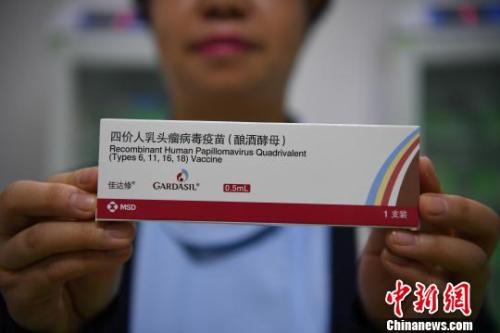
  Zhongxin. com, Guangzhou, July 18 (Cai Minjie, He Yuhang) At present, the types of cervical cancer vaccines include domestic bivalent, imported bivalent, tetravalent and nine-valent. Wang Ming, chief expert of Guangzhou Preventive Medicine Association, said at the seminar on prevention and control strategies of cervical cancer and hepatitis E diseases held in Guangzhou on the 18th that HPV (papillomavirus) type 16 and HPV type 18 are the two virus strains with the highest risk. In terms of preventing cervical cancer alone, bivalent and tetravalent vaccines are basically the same, and about 84.5% of cervical cancer can be prevented by inoculating vaccines covering the above two subtypes.

  Human papillomavirus (HPV) is the main cause of cervical cancer. Cervical cancer is the fourth largest malignant tumor of women in the world, and it is also the largest gynecological malignant tumor in mainland China. In recent years, the incidence and mortality of cervical cancer in mainland China have been rising, and there is a trend of youthfulness, accounting for almost one-sixth of the world’s incidence and mortality, which seriously threatens the health and development of mainland women. It is urgent to prevent and control it.

  In 2018, the World Health Organization called for the global elimination of cervical cancer. The vaccination coverage rate of girls aged 9 to 14 needs to reach 90%, but at present, the vaccination rate of girls aged 9 to 14 in the Mainland is less than 0.05%. The road to eliminating cervical cancer has a long way to go.

  Cervical cancer can be prevented and controlled, which requires early vaccination and early protection. At present, China is the only country in the world where four kinds of HPV vaccines are used in the market. Wang Ming said that the four vaccines have not been proved to have the effect of preventing diseases in people who have been infected with HPV. With age, the risk of exposure to HPV increases, especially after sexual life begins, so it is recommended to vaccinate as soon as possible.

  Studies have shown that more than 84.5% of cervical cancer is infected by HPV16 and HPV18 viruses, and bivalent and tetravalent vaccines listed in China can protect against these two most dangerous precancerous lesions. "bivalent vaccine mainly prevents two high-risk subtypes, 16 and 18, and people aged 9 to 45 can be vaccinated. In foreign research results, it can prevent 70% of cervical cancer. Because the proportion of Chinese people infected with the above two types is higher, for us, the preventive ability of bivalent vaccine can be as high as 84.5%; Tetravalent vaccine mainly prevents subtypes 6, 11, 16 and 18, of which two high-risk types are the same as bivalence; Nine-valent vaccine can prevent five more HPV (subtypes are 31, 33, 45, 52 and 58 respectively), and the preventive ability of cervical cancer can be improved from 84.5% to 92.1%, and at the same time, it can prevent 90% of genital warts and other cancers around the reproductive tract. " Wang Ming said that under the premise of meeting accessibility, everyone can choose the vaccine that suits them according to their age and economic conditions.

  In December 2019, National Medical Products Administration approved the marketing of bivalent human papillomavirus vaccine of Xiamen Wan Tai Bio. This is the first approved domestic HPV vaccine, which is suitable for women aged 9 to 45. At present, more than 5 million pieces have been approved and issued. A large-scale clinical trial confirmed that the protective effect of HPV16/18-related precancerous lesions and high precancerous lesions in China women was 100%.

  Wang Ming said that cervical cancer is the only malignant tumor with clear etiology, which can be prevented and controlled. In developed countries, through continuous improvement of screening management and popularization of cervical cancer vaccine, its morbidity and mortality have dropped significantly.

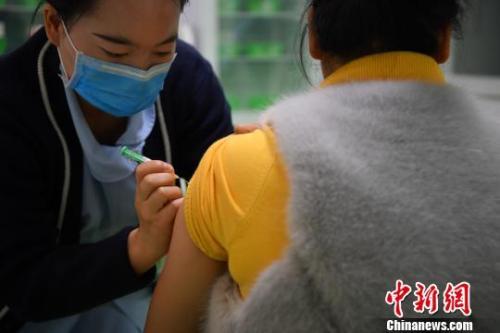
Do children need to get vaccinated during the epidemic? How should babies be protected?

  CCTV News:Can children go to the hospital for vaccination now, and how should babies be protected? Yesterday (26th) afternoon, Feng Luzhao, a researcher at China CDC, answered several questions of public concern at the press conference held by the State Council Joint Prevention and Control Mechanism.

  It’s time for children to get vaccinated. Do you want to go?

  It is suggested that parents can pay attention to the work dynamics of the local vaccination clinic and communicate with the vaccination doctor about their children’s specific situation. It is suggested to make an appointment separately and vaccinate separately. The first dose of hepatitis B vaccine and BCG vaccine for newborns should be vaccinated in midwifery institutions in time according to the national immunization planning procedures. If the mother is HBsAg positive, the second and third doses of hepatitis B vaccine for newborns are recommended to be vaccinated in time after making an appointment with the vaccination unit. Vaccines such as rabies and tetanus used for post-exposure prevention must be vaccinated in time according to vaccination procedures.

  If there is a community-spread epidemic in your community, you can suspend vaccination other than the four vaccines just mentioned, and pay attention to replanting as soon as possible after the epidemic in your community is over. If there is no community-spread epidemic in the community, you can choose vaccination according to the specific requirements of the local health administrative department or disease control agency and the schedule of the vaccination unit. When you go for vaccination, you should still remember to protect your parents and children, wear masks, try not to touch hospital items, pay attention to hand hygiene, avoid rubbing your eyes, nose and mouth with your hands, and clean your hands in time.

  How should babies be protected?

  Babies can’t wear masks, which may cause difficulty in breathing or even the risk of suffocation, so they should try to avoid going out. Babies are mainly passively protected, that is to say, children are indirectly protected by the protection of parents, family members and caregivers. During the epidemic period, in order to reduce the risk of infant infection as much as possible, a caregiver can be relatively fixed. Caregivers should try not to go out. First, they should wear masks. Second, they should not sneeze and exhale at children. Caregivers must wash their hands before touching children’s tableware, toys, daily necessities and other things, or before communicating and playing with children. Don’t share tableware with children. When feeding children, don’t blow food with your mouth, and don’t try or chew food with your mouth before feeding them.

Drug regulatory authorities severely cracked down on illegal and criminal activities of manufacturing and selling counterfeit and inferior drugs for treating Covid-19 infection.

  Cctv newsNational Medical Products Administration website reported on January 16th that in order to thoroughly implement the relevant requirements of the Central Leading Group for Response to Epidemic Situation and the State Council Joint Prevention and Control Mechanism on epidemic prevention and control, and effectively ensure the quality and safety of public medication, since the COVID-19 epidemic, National Medical Products Administration has deployed local drug regulatory authorities to continuously strengthen the quality supervision of drugs and equipment related to epidemic prevention and control, and intensify the crackdown on illegal and criminal activities of manufacturing and selling drugs and equipment related to epidemic.

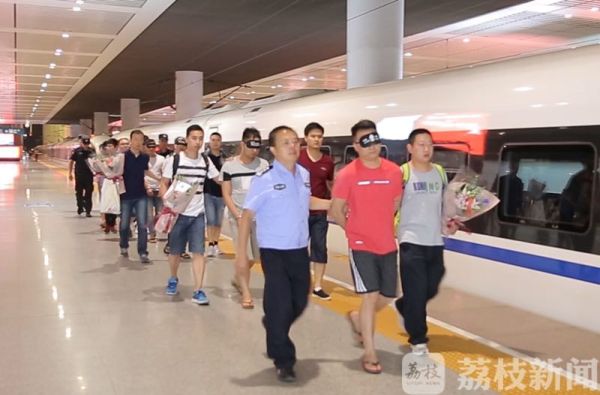
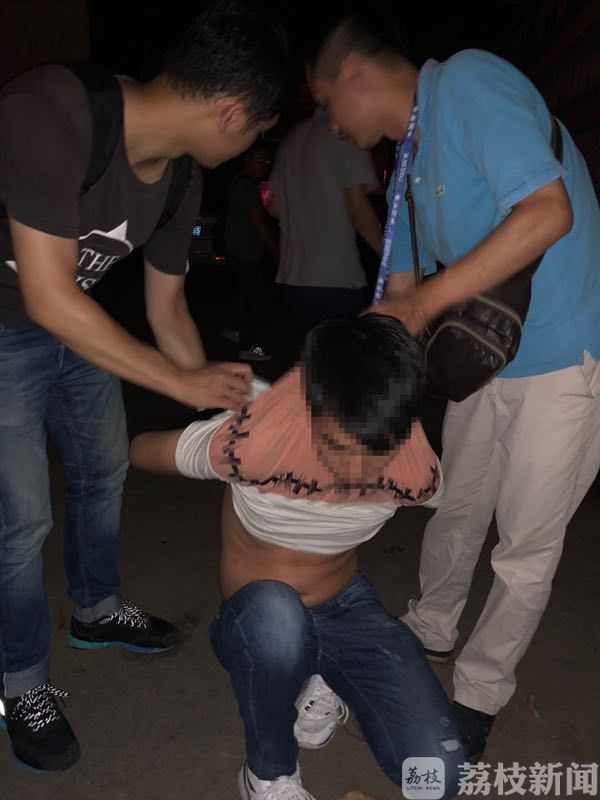
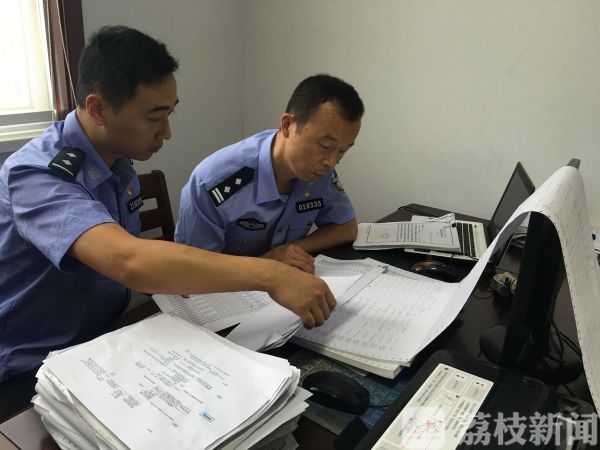
  Among them, in view of the recent clues of illegal sales of Covid-19 infection drugs with unknown sources in the market, drug regulatory authorities in many places have adopted a combination of online monitoring and offline mopping, innovated regulatory ideas, dug deep into the source of the case and strictly investigated the illegality. Under the unified command, the local drug regulatory authorities and the local public security departments jointly enforced the law, and some criminal gangs and dens have been smashed, and a number of counterfeit Paxlovid (combined packaging of Nimatvir tablets and ritonavir tablets) and unapproved imported drugs have been seized on the spot during the net-closing operation. After inspection, some products seized did not contain effective pharmaceutical ingredients or illegally added other pharmaceutical ingredients, which was suspected of violating the provisions of Article 141 of the Criminal Law of People’s Republic of China (PRC) on the crime of selling counterfeit drugs. At present, the case is being handled by the public security department according to law.

  In order to thoroughly investigate risks, eliminate hidden dangers, and effectively protect the public’s drug demand and drug safety, National Medical Products Administration organized the national drug regulatory authorities to further strengthen the monitoring, mopping, inspection and case investigation of the manufacture and sale of counterfeit and inferior drugs for treating Covid-19 infection. If a suspected crime is found, it will be transferred to the public security and judicial organs according to law. At the same time, National Medical Products Administration is promoting the research, development and listing of therapeutic drugs in Covid-19 according to laws and regulations to serve the overall situation of epidemic prevention and control.

Diseases such as respiratory tract occur frequently in autumn and winter. Please keep this "health reminder card"!

  Jiang chenhui

  The temperature drops in autumn and winter, and respiratory diseases such as influenza and acute bronchitis and intestinal infectious diseases such as norovirus infection occur frequently. If you don’t pay attention to your own protection, you may encounter disease. How to adapt to the weather changes and scientifically maintain health? In this issue, we invite experts from military hospitals to share some prevention and treatment methods of common diseases in autumn and winter, hoping to help everyone.

  — — Editor

  Efficient prevention and treatment of influenza

  ■ Dong Liangyi Special correspondent of this newspaper is appointed during the day.

  Recently, many places in China have entered the rising period of influenza infection. Influenza is influenza, which is an acute respiratory infection caused by influenza virus. Influenza virus is easy to mutate and highly contagious. The main transmission routes are droplet transmission and contact transmission, and people are generally susceptible.

  Huang Lewei, deputy director of the Department of Respiratory Medicine of the Northern Theater General Hospital, said that influenza can be divided into mild, severe and critical diseases according to its severity. Most flu patients are mild, usually have fever for 3-5 days, and can recover by themselves after rest and symptomatic treatment such as fever reduction. Patients with severe influenza may have complications such as pneumonia, encephalitis, meningitis and myocarditis. A few patients with rapid progress may also have serious complications such as acute respiratory distress syndrome, acute necrotizing encephalopathy or multiple organ dysfunction, reaching the critical level. Therefore, once symptoms such as persistent fever and dyspnea appear, it may be severe flu, so you should go to the hospital in time.

  How to distinguish the flu from the common cold? The common cold has no obvious seasonality and can occur all year round; The main symptoms are sneezing, runny nose, sore throat, etc., and there are few systemic poisoning symptoms such as high fever and chills. Generally, it can be cured in about 1 week, with weak infectivity and no outbreak. Influenza is seasonal, and the epidemic peak in the northern region is generally from November to mid-March of the following year, and the epidemic peak in the southern region is generally in winter and summer every year. Compared with the common cold, influenza has an acute onset and severe symptoms, and often has obvious symptoms of systemic poisoning such as high fever, chills, headache, fatigue and loss of appetite, while respiratory symptoms such as sneezing and runny nose are mild.

  In the flu season, if you have symptoms such as fever, body aches, weakness, etc., especially if you have had close contact with flu patients before the onset, you should be highly vigilant. Once the flu is diagnosed, it should be isolated and treated as soon as possible to prevent transmission to others. Patients with mild influenza can be treated according to the doctor’s advice. If symptoms of fever and headache occur, physical cooling can be carried out. When the fever exceeds 38.5℃, antipyretic and analgesic drugs such as loxoprofen sodium tablets and ibuprofen suspension can be taken. When cough symptoms appear, you can take licorice tablets, Asme and other cough medicines; When diarrhea symptoms appear, you can take antidiarrheal drugs such as montmorillonite powder and berberine hydrochloride. Patients with severe influenza should see a doctor as soon as possible and use antiviral drugs as soon as possible. Applying antiviral drugs within 48 hours can reduce complications and mortality.

  The troops are highly concentrated, and if the prevention and control measures are not appropriate, it is easy to cause mass influenza incidents. Maintaining good personal hygiene habits is an important means to prevent respiratory infectious diseases such as influenza. I suggest you pay attention to the following points: strengthen indoor ventilation and keep the indoor environment clean; Wash your hands frequently, preferably with soap and running water; Don’t touch your eyes, mouth and nose at will; Go to public places as little as possible during the flu season, and wear a mask when going to public places or seeking medical treatment; Strengthen physical exercise and pay attention to the combination of work and rest in daily life to enhance the body’s resistance.

  Vaccination against influenza is an effective means to prevent influenza. Influenza virus is easy to mutate, and the flu vaccine varies from year to year. You can vaccinate once a year before the arrival of the influenza epidemic season to prevent influenza virus infection. People over 60 years old, children aged 6 months to 5 years old, pregnant women, patients with chronic diseases, etc. have weak resistance and are high-risk groups of influenza. It is recommended to vaccinate against influenza in time under the guidance of a doctor.

  Scientific diagnosis and treatment of acute bronchitis

  ■ Shang Yan Xu Zikai

  Acute bronchitis is an acute inflammation of trachea and bronchial mucosa caused by virus, bacteria, mycoplasma or chlamydia infection, which often occurs in late autumn and early winter or when the temperature suddenly becomes cold. Rain, excessive fatigue, irritating gases and common allergens (such as pollen and dust mites) may all induce acute bronchitis.

  Patients with acute bronchitis usually have symptoms of upper respiratory tract infection such as nasal congestion and sore throat, followed by dry cough or a small amount of phlegm. With the aggravation of the disease, the amount of sputum gradually increased and the symptoms of cough intensified. Some patients may have chest tightness, asthma, severe cough accompanied by chest pain and other symptoms. Patients with severe illness will also have mild to moderate fever, and most of them will return to normal after 3 to 5 days. When the cough is severe or the chest pain and asthma are obvious, you should go to the hospital for examination in time, such as chest X-ray or chest CT, to rule out pneumonia, pneumothorax and other diseases.

  Acute bronchitis is mostly caused by viral and bacterial infections. In case of virus infection, antiviral drugs can be applied according to the virus type. If it is a bacterial infection, you can choose the corresponding antibiotics according to your doctor’s advice. If the patient only has mild cough symptoms, and his daily activities and sleep will not be affected, it is recommended to observe the condition first and do not need to apply drugs immediately. If the cough is obvious at night, you can take antitussive drugs such as compound methoxyphenamine and codeine according to your doctor’s advice. If phlegm is difficult to cough up, ambroxol hydrochloride, eucalyptus, bromhexine and other expectorant drugs can be selected according to the doctor’s advice. If you have fever symptoms, you can take antipyretic drugs, rest properly, keep warm and drink plenty of water to avoid inhaling dust and irritating gases.

  In addition to the above-mentioned routine treatment, clinical practice has found that massage, sticking, scrapping and moxibustion can also effectively relieve the symptoms of acute bronchitis such as cough and asthma. When there are symptoms such as sore throat, cough and asthma, we can scrape the three acupoints of Tiantu, Xuanji and Huagai, which can broaden the chest, regulate qi, eliminate phlegm and relieve cough. If you cough frequently, you can apply hot compress or moxibustion at Feishu point to warm the meridians to dispel cold and promote lung qi. When there are symptoms such as headache, stuffy nose, runny nose and fever, you can pinch Hegu point, hot compress or moxibustion Dazhui point, which can play the role of dispelling wind, relieving exterior syndrome, relieving fever and relieving pain. In addition, you can massage Zusanli, Shenque, Guanyuan, Sanyinjiao and other points before going to bed, which will help to enhance the body’s resistance.

  How to prevent acute bronchitis? I suggest you pay attention to the following points in your daily life: do a good job of keeping warm and increase or decrease clothes in time according to the weather changes; Strengthen self-protection, and wear a mask when carrying out dust operations; Make a reasonable training plan to prevent the body from excessive fatigue; Soaking feet with hot water after training can not only relieve training fatigue, but also help the body dispel cold and dampness, warm and replenish yang, and prevent respiratory infectious diseases. In addition, try to avoid close contact with people with symptoms of respiratory diseases such as fever and cough. Once there are symptoms related to acute bronchitis, you should see a doctor in time.

  Correct understanding of norovirus

  ■ Hu Ying Huang Qiao

  October to March is the high season of norovirus infection. Norovirus belongs to calicivirus family, which has the characteristics of low infection dose, long detoxification time, strong external environmental resistance, short immune protection time and general susceptibility of people. It is one of the common pathogens causing acute gastroenteritis. After being infected with norovirus, gastrointestinal symptoms such as diarrhea and vomiting will generally occur, and some infected people will also have symptoms such as nausea, abdominal pain, headache and fever.

  Norovirus is a self-limited disease. Most patients have mild symptoms after onset, and they can recover after 2-3 days’ rest without special treatment. At present, there are no antiviral drugs against norovirus. If there are related symptoms, you can take the medicine according to your doctor’s advice. If you have fever symptoms, you can take antipyretic drugs; If there are symptoms of vomiting and diarrhea, you can take probiotics such as Bifidobacterium and Bacillus licheniformis, and at the same time drink a small amount of water and take rehydration salts orally to supplement the electrolyte and water consumed by vomiting and diarrhea. It should be noted that you should not use antibiotics after being infected with Norovirus. Because norovirus is a viral infection, the use of antibiotics can not only alleviate the symptoms, but also cause intestinal flora disorder, which in turn aggravates the symptoms of diarrhea.

  If infected with Norovirus, adults have symptoms such as persistent high fever, diarrhea or vomiting for many days, severe abdominal pain, lethargy, bloody stool or yellow bile-like liquid in vomit; Babies can’t take breast milk normally for several hours and have no urine for 4~6 hours; Children have symptoms such as anuria, sunken eye socket and poor skin elasticity for 6-8 hours, which indicates that the condition is serious, so they should seek medical attention in time and be treated according to the doctor’s advice.

  Norovirus mainly spreads through contaminated water, food and the surface of objects. The incubation period is 12-72 hours, usually 24-48 hours. Because of the short incubation period, it is easy for many people to get sick in a short time in schools, troops and other crowded places. At present, there is no vaccine to prevent norovirus infection. Cutting off the transmission path of the virus is an effective way to prevent the spread of norovirus. Once the troops are infected with norovirus, they should immediately check whether the water source or food is polluted, and carry out strict disinfection to avoid spreading. When sterilizing the environment and articles contaminated by patients’ vomit or feces, chlorine-containing preparations should be used, and plastic gloves and masks should be worn to avoid direct contact with pollutants. Patients infected with norovirus should be treated in isolation to avoid transmission to others.

  Maintaining good hygiene habits is an important means to prevent the spread of the virus. It is suggested that everyone should maintain hand hygiene in daily life, wash their hands with soap and running water before meals, after defecation and before processing food. Disinfecting wet wipes and hand-free disinfectants cannot replace hand washing. Pay attention to the hygiene of eating and drinking water, do not drink raw water, do not eat raw seafood and meat, and wash vegetables and fruits before eating; Do a good job in environmental cleaning and disinfection, regularly open windows for ventilation, regularly clean and disinfect rooms, kitchens, bathrooms and other public places, and use chlorine-containing disinfectants to treat sewage.

CPPCC member Chen Xiaohua: It is necessary to attract people returning to the countryside to innovate and start businesses in the countryside.

  CCTV News:Chinese People’s Political Consultative Conference held its second press conference on March 8th at the first session of the 13th session, inviting Yang Weimin, deputy director of the Central Financial and Economic Leading Group Office, Hu Xiaolian, chairman and party secretary of The Export-Import Bank of China, Chen Xiaohua, former vice minister of agriculture, Qian Yingyi, vice chairman of the All-China Federation of Industry and Commerce and president of Tsinghua University Institute of Economics and Management, and Ning Gaoning, party secretary and chairman of China Sinochem Group Co., Ltd. to answer questions from reporters on promoting high-quality economic development.

  First Financial Reporter: I would like to ask Commissioner Chen Xiaohua, as we all know, industrial prosperity is the focus of rural revitalization. Recently, we learned in an interview that the rural population is decreasing continuously and some villages are "hollowed out". Excuse me, Commissioner Chen, how to make the industrial revitalization accurately land in such a village?

  Chen Xiaohua: As we all know, the key to rural revitalization lies in people. If a village loses its popularity and talents, the development of this village will definitely be bad. At the present stage, the rural labor force is indeed decreasing continuously, and some villages have also appeared the phenomenon of "hollowing out". We should look at this problem from two aspects. On the one hand, it is an inevitable result of urbanization. Many countries in the world experienced the phenomenon of rural population outflow before the urbanization rate reached 70%. In the past five years, the rural population has settled in cities for a total of nearly 80 million, making them become urban residents from farmers. In the future, the transfer of rural population and the settlement in cities will increase, which can be said to be an objective trend. On the other hand, we also have to admit that people are empty, and there is no popularity. If we only rely on the old, weak women and children left behind, this village will definitely be bad. Therefore, we should pay attention to this situation and not treat it passively, otherwise, the rural revitalization and industrial prosperity will come to nothing.

  From the experience of some places, the key is to focus on people, and we can start from two aspects. On the one hand, we should vigorously cultivate new subjects and new farmers. To do this well, one is to rely on staying, that is, to vigorously cultivate local talents, especially rich leaders and practical talents in rural areas, and lead the masses to develop production and do a good job in village construction through them. Therefore, the training of rural practical talents and new farmers in recent years has played a positive role in solving this problem. On the other hand, to rely on introduction means to attract talented people who go out and talents in the city through various policies.

  It is necessary to attract people returning to the countryside to innovate and start businesses in the countryside. In fact, in recent years, there have been about 7 million people who have returned to the countryside to engage in new industries and new formats, which have brought vitality and vitality to the countryside. This trend should be actively supported and guided.

  On the other hand, optimize the layout of villages. In fact, with the change of rural population, it will inevitably lead to changes in villages, so we should start from reality and consider optimizing the layout of villages according to local conditions from now on. For villages with conditions, it is mainly through infrastructure construction and public service provision to create conditions for farmers’ production and life. Villages with historical and cultural values should be protected, and villages without living conditions should be relocated. Therefore, through these measures, people can be retained and brought down, and various measures for industrial revitalization can be implemented.

Chinese People’s Political Consultative Conference has achieved remarkable results in promoting the prevention and control of echinococcosis among livestock, and the number of patients with echinococc

(Reporter Li Muyuan) The reporter learned from the "2017 National Symposium on Echinococcosis Prevention and Control Technology" held in Chengdu, Sichuan on June 13th that with the promotion of Chinese People’s Political Consultative Conference, the prevention and control of echinococcosis among livestock in agricultural and pastoral areas in western China has achieved remarkable results. The total number of patients with echinococcosis has decreased from 380,000 estimated in 2004 to about 170,000 in 2016, and the infection rate of cattle, sheep and dogs has also dropped significantly.


Livestock such as cattle and sheep, canines and cats are the most important sources of infection of echinococcosis. For a long time, one of the main reasons for the poor prevention and control effect of echinococcosis in China is insufficient attention to the prevention and control of animal sources, lack of financial support for prevention and control at the national level, lack of effective communication and cooperation between ministries, imperfect animal disease prevention and control team, and backward research and development of prevention and control technologies and products.


On June 4th, 2015, Yu Zhengsheng, President of Chinese People’s Political Consultative Conference, hosted the 32nd biweekly consultation forum with the theme of "Prevention and control of echinococcosis in western agricultural and pastoral areas". Up to now, a total of 68 biweekly consultation forums have been held since the 12th Chinese People’s Political Consultative Conference, but this is the only one that takes the prevention and control of an infectious disease as the theme. "The opinions and suggestions put forward by this biweekly consultation forum provide a scientific basis for the central government’s decision-making." Shi Jianzhong, deputy director of China Animal Disease Prevention and Control Center, said.


Professor Wu Weiping from the Institute of Parasitic Diseases of China CDC introduced that according to the survey results of important human parasitic diseases in 2004, the average prevalence rate of echinococcosis in endemic areas was 1.08%. It is estimated that the threatened population is about 50 million, and the number of echinococcosis patients in China is about 380 thousand. With the strengthening of prevention and control of echinococcosis in China in recent years, especially since 2015, the number of patients with echinococcosis has dropped significantly. According to the latest survey results, by the end of 2016, there were more than 360 endemic counties of echinococcosis in China, with a population prevalence rate of 0.34% and a total of about 170,000 patients.


Animal source prevention and control has also achieved remarkable results. According to Shi Jianzhong, in 2016, the state issued the National Prevention and Control Plan for Key Parasitic Diseases such as Hydatid Disease (2016-2020), which clarified the prevention and control objectives, work indicators, prevention and control strategies and technical measures for the next stage. The central government’s emergency funds for echinococcosis prevention and control in 2015 and 2016 reached 440 million yuan and 470 million yuan respectively. And since 2017, the state has included the funds for prevention and control of echinococcosis in the affected provinces into the annual funds for animal epidemic prevention.


It is reported that in the past two years, China Center for Animal Disease Prevention and Control, in conjunction with animal epidemic control institutions at all levels in epidemic areas, has carried out a lot of work around the source control of echinococcosis. Not only did it explore the establishment of three models, such as dog administration, livestock immunity and comprehensive prevention and control of drug administration immunity, but also established six technology promotion demonstration zones in Sichuan, Qinghai and Xinjiang; Technical materials such as technical specifications for prevention and control of echinococcosis and manuals for prevention and control of echinococcosis in animals have also been compiled, which has improved the technical level of grass-roots animal epidemic prevention personnel; In addition, through the use of new drugs and vaccines, the measures to control the source of infection have been implemented, and at the same time, the labor difficulty of grassroots veterinarians and the risk of being bitten by dogs have been reduced.


Shi Jianzhong said that with the joint efforts of national and local veterinary departments, the prevention and control of echinococcosis among livestock in China has achieved remarkable results. From 2014 to 2016, the average infection rate of echinococcosis in cattle decreased from 4.46% to 2.12%, that of sheep decreased from 4.05% to 2.17%, and that of dogs decreased from 6.6% to 5.02%.


Shiqu county is a serious epidemic area of echinococcosis in China, and it is also one of the areas with the highest infection rate and the largest number of patients. In the past two years, as a national pilot project of echinococcosis prevention and control, the county has also achieved remarkable results in echinococcosis prevention and control. According to Mou Dengyu, deputy director of the Veterinary and Veterinary Medicine Department of the Sichuan Provincial Department of Agriculture, the infection rate of echinococcosis in cattle and sheep in shiqu county has dropped from over 40% at the beginning of last year to 32.58% at present; The infection rate of echinococcosis in dogs has dropped from 35% at the beginning of last year to 9.34% at present, and the decline rate is very obvious.


However, Shi Jianzhong said that the prevention and control of echinococcosis is a long-term work, and unremitting efforts are needed to achieve the national goal of basically controlling the epidemic of echinococcosis in 2020. At present, there are still some problems in rapid diagnosis technology, insect repellent for dogs, and the epidemic situation of wild animals. To solve these problems, all regions, industries and departments need to cooperate closely and cooperate to tackle key problems.

Childhood in a Foreign Country: Exploring the "Secret" behind Education in a Foreign Country

  Recently, a 6-episode documentary "Childhood in a Foreign Country" has exploded the circle of friends. At present, four episodes of Japan, Finland, India and Britain have been broadcast, with Youku ranking first and Douban scoring above 9.2.

  When planning to shoot Childhood in a Foreign Country, Zhou Yijun hoped to find a "perfect childhood". After filming, she said, "Every place has its own strengths … …”

  Zhou Yijun once witnessed and recorded the war in the Middle East, but now, as a mother of two children, she is on the road again, and with her own confusion and thinking in the process of parenting, she travels abroad to explore the "secret" behind education. After a year, she completed Childhood in a Foreign Country across six countries in Eurasia.

  Li Shuang, the author of this article, often lives in London, and both her daughters study in private schools in London. She has a lot of research experience in British private education, and has a lot of contacts with Zhou. She is also one of the guests interviewed in "Childhood in a Foreign Country" and "English Chapter". After watching the four episodes that have been online, she can’t help thinking about what British education can learn from and what a mother can use to demand herself and understand her children … …

  We think that the author’s introduction and thinking at least provide a sample that can be compared, used for reference, reflected and even criticized for domestic readers who care about the next generation of education, don’t they?

  — — compiler

  Japan

  Collective spirit goes deep into the blood, and words and deeds are cultivated from kindergarten … …

  The acme of Japanese education has an extremely traditional oriental concept and Zen meaning: moistening things silently.

  In the indoor gymnastics hall of Lotus Kindergarten in Japan, the teacher took the children and shouted one, two, three and four, practicing the "sitting" of standing up, kneeling and standing up again. Zhou Yijun asked: "Why do you have to train this kind of voice from the abdomen since childhood, and why do so many people shout together?" The director replied: Japan is a nation that pays attention to strict discipline. The so-called discipline is a rule for the good operation of society, and the ideal state is that children take the initiative to abide by it. He also explained the concept of "collective resonance": everyone makes his own voice instead of the same one, and there is a response between these voices, which leads to resonance.

  It seems that Akita passed on these ideas by choosing a very traditional form of physical fitness. In Lotus Kindergarten, children will have an hour’s morning exercise when they get up early, running around barefoot on the ground, shouting, doing exercises, running, climbing poles and playing games in the courtyard, and being encouraged to wear thin clothes. Kindergarten also had a history of letting children "topless" for 60 years, which was later suspended under the pressure of public opinion. The director of Lotus Kindergarten said: Morning time is very important, so we should make full use of this time, adjust the rhythm of our body, radiate and burn our energy, and feel the awakening of life in our body.

  In the documentary, the classroom of another rattan kindergarten has a door with a rubber edge that will not completely close automatically, but will leave a gap unless it is closed carefully again. In winter, there will be wind coming in this crack, and the children at the door will feel cold, so they must go back and close it carefully again. Director Kato Kiichi explained: "This makes children understand that things should be done thoroughly and the last step should be taken." This can be called "doing things rigorously and beautifully" — — Characteristics of Japan; But it can also be interpreted as "the pursuit of perfection is to not cause trouble to others and to make the team better."

  Therefore, not all parents now fully accept the characteristics that look very "Japanese". In the camera, Mr. Taihe Tianji, head of the international business department of Japan Radio International, will say: "I am a little worried about studying in Japanese schools, and my personality is gone. A child as young as him (son) has many choices, and I hope he can find his own future. "

  Before 2019, preschool education was not a part of compulsory education in Japan, so kindergartens were all private and enrolled children aged 3 to 5. In addition to kindergartens, there are day-care classes, starting from the age of six months and ending at the age of five. Every day-care class and kindergarten has different educational demands, some of which are for preparing for the entrance examination of private primary schools, while others simply provide space for playing games. Therefore, a Japanese kindergarten guide for foreign parents suggested: "Japanese local Kyoiku mamas (equivalent to ‘ Tiger mother ’ ) will put their children in the most popular kindergarten and send them to preschool classes to learn math and Japanese after school. "

  In Japan, mothers almost undertake all the family and child-rearing work. If nothing else, the preparation for kindergarten alone is very complicated. Kindergartens have a long list of daily necessities that need to be purchased, including work clothes, cushions, fitness bags, indoor shoes bags, piano bags, lunch boxes, toothbrushes, napkins, crayons boxes (each of the 12 crayons in the box must be labeled), notebooks, glue and scissors, etc. All the above things must be sewn or ironed with name labels and class names (if the class changes in the second year, it will be repeated). Every day, mothers also bring healthy lunches to their children, which turns into another invisible competition.

  In fact, keeping fit, maintaining collective honor and not causing trouble to others are also emphasized concepts in British education, but the British do not insist on consistency as the Japanese do, especially now that Britain is becoming more and more diversified, and different ethnic groups live under the same roof, so respecting other ethnic groups and religions has become the top priority in education: for example, you can skip some physical education class or even biology classes for religious reasons, and you can also take your own national holidays during daily school hours. Primary and secondary schools in London often ask for leave from October every year, so other students are familiar with the Jewish New Year, the Indian New Year and, of course, our China New Year.

  Finland

  Competition is not encouraged, there is no grade, and courses are selected one day a week … …

  Finland’s "relaxation education" is a bit unreliable.

  Finland is founded on creativity, and the freedom of Finnish teachers is the highest in the world — — In the five-day class every week, one day has complete autonomy, and the teacher decides what to teach and how to teach. In SYK school, teachers use this time period to talk about the theme of time and age. In Kalasura School, teachers take children to the forest for classes, holding color cards to let them find the shapes and colors of nature. Although the teachers of these two schools decide where to take their students, they know what students of this grade should learn in mathematics, language, science, art and other disciplines. They just choose a topic or theme and integrate what they should learn at this age into autonomous teaching.

  In Finland with high welfare, a family with hundreds of reindeer in the Arctic Circle lives as comfortably and satisfactorily as a wealthy family living in Helsinki. Education has been carefully designed, and all schools are uniformly equipped with teachers, so Peter Vesterbacka, a local entrepreneur and the father of Angry Birds, will say that "the school near home is the best".

  Finnish society has no professional title and no hierarchy. Any job is a good job, and competition is not encouraged or needed. Such a "utopia" world can extend from school to society. Zhou Yijun asks "what is success here" in the film, and the 9-year-old boy says: "When you have a job, a wife and some money, it is success."

  The reason why Finland does not advocate competition is also a national characteristic, because they are endowed with natural resources and educational resources. 600,000 primary and secondary school students are distributed in 4,000 schools, with an average of 150 students in each school and no more than 20 students in the class. The annual class time is 190 days, and the compulsory education period is also 9 years. Only in the last year will there be exams. Since 1979, the Finnish Board of Education has required primary and secondary school teachers to have a master’s degree, which is a "research type". When high school students apply for normal schools after graduation, they must pass interviews at different levels to confirm their teaching enthusiasm and innovative thinking before they can enter normal schools.

  Mike Cragros gave other reasons behind the high quality of Finland’s education system in Big think: there is no standardized test, even the high school graduation exam is voluntary; There is no teacher accountability system, because it is not necessary, teachers are professional enough, and if something goes wrong, the problem will lie with the principal, not the teacher; Because there is no need for competition, cooperation becomes the norm; Because there are few teachers and students, students can be guided by the same teacher for up to six years, and teachers may even become part of family members, and because there is no need to "pass on" this student to the next one, teachers will not escape the ultimate goal of their education.

  Finland, which is peaceful, professional, equal and rich, has painted a different rainbow for many educators in the world, but the world that is too Peach Blossom Garden makes it difficult to be practical. Even the headmaster of the school expressed his feelings in the documentary: "Life is really too easy now. Watching TV and playing games, I hope we can compete more."

  In primary and secondary education in Britain, there is a concept called getting out of the comfort zone. For children, how parents, schools and teachers challenge their characteristics and constantly push them out of the comfort zone is actually very important in personalized education. I once told Philip, the president of the famous public school, that the children stayed in a school from primary school to high school for 14 years and were very loyal. We call this phenomenon a bank, he said. It’s like you put your child in a bank and it’s safe, but he may only adapt to one culture, some specific people and a way of making friends, thus losing the spirit of adventure and flexibility.

  India

  Looking for various alternatives, doing things like acting first and then perfecting … …

  The spirit of traditional philosophy also bears fruit in education.

  India is another populous country in the world that abounds in "science and engineering men". In the University of West Bengal, teachers choose to use "Harry Potter" to teach law. He said: "challenging teachers is a very important part of the classroom." The teacher used the examples written in Harry Potter to ask the students how to argue or how the plot would develop. He gave the students the space for discussion and the ability to break the rules and think further.

  The film introduces a unique thinking "Jugaad" in Indian philosophy & mdash; — "looking for alternatives". "when the standard answer is not feasible, Jugaad appears. Although you can’t solve the problem 100%, you can’t leave it alone. If you can solve 20%, you will solve 20%. At the same time, Jugaad also means not accepting the correct answer. "My opinion should be heard" because Indians with good education are eloquent and like to act first and then improve. But in Zhou Yijun’s lens, chaotic traffic order means the side effect of "finding alternatives": sacrificing rules. Therefore, finding order in a chaotic environment is the way for Indian society to survive.

  India’s school education system is one of the largest and most complex systems in the world. Compared with 110 million students in Japan, there are 220 million students in India, and there are more than 1.5 million schools, but only 40% of their peers get a high school diploma and 7% get a university diploma. In India, where the industrial population accounts for the majority, the innovation of education is of extra importance. Unlike Japan, India is a country with an expanding youth population, with more than 600 million young people under the age of 25. India has long accepted distance education as a means to increase educational opportunities, especially in remote areas with insufficient services. In 1985, the federal government established Indira Gandhi National Open University, which is an open distance education institution and is now considered as the largest university in the world, with more than 3 million students.

  The village of Karakati, where Zhou Yijun and the film crew went, was the first stop for Professor Sukata to send computers to poor Indian villages, and the "School in the Cloud" was born. The teaching method adopted by "school in the cloud" is called "self-organized learning environment". The village of Karakati in the lens is full of earthen houses. In the classroom of "School in the Cloud", three or five children gather at a computer to teach themselves. They browse websites by themselves and then find ways, such as learning by video or typing questions in search engines. They don’t know English and have to learn how to read it. Children don’t study alone, but study together in a group.

  Students of Indian origin should be the most familiar "foreign students" in British education. Only in London, the second and third generations of Indian immigrants can be seen everywhere. They are very much like Chinese in the early years. They are hardworking and diligent, and they can give everything for educating the next generation. Their career choices are also very unified: doctors, doctors, and doctors. Just like the children seen in the "school in the cloud", Indians have a very strong ability to adapt to the environment and feel that flowers can bloom on stones. In less than a century, curry has become the most popular take-away food in Britain, and they have strong self-discipline, so in modern British society, it is rare to see the phenomenon of breaking the rules and looking for alternatives.

  Britain

  Taking physical education as the leading factor, not cultivating talents as the fundamental … …

  But now, fairness has become the latest "political correctness"

  In English, Childhood in a Foreign Country pays more attention to elite education represented by private schools. At the end of last summer, Zhou Yijun, who stayed in London for a short time, asked: "If you use one characteristic to summarize British private education, what would you choose?" I blurted out, "Sports." As I wrote in my book: "Britain is the only country in the world that spends its academic time participating in team sports."

  Personally, the proportion of sports in British private education and its comprehensive understanding can also be regarded as a contribution of Britain to international education.

  Due to historical reasons, British private schools began to develop from boarding boys’ schools in the 14th century. At that time, for the sake of protecting the country and defending the country, strengthening the body and adding cultural knowledge was the original intention of the school. With the development of time and the change of the world, the British insist on inheritance, constantly revise and add new values, and finally achieve what education calls "all-round development" in sports.

  In the opening credits, Zhou Yijun said that "elite education often talks about their dress, manners and so on", and I quite agree. But in fact, in British private education, all etiquette education is more external, and the spiritual outlook given to individuals by sports is the internal etiquette. The first concept in sports is rules, and then professional ethics. It is the external etiquette to interact with teammates and even opponents in rules, sincerely respect all participants in sports, including referees and opponents, and communicate with others in rules.

  In Manchester, Hua Tian, who graduated from Eton and participated in the Olympic Equestrian Competition on behalf of China, talked to the camera Kan Kan: "Riding is not a luxury as many people think, which allows you to enter a higher social class. What is more important is the connection between people and horses, the relationship with teammates, and learning to express and listen."

  In fact, rowing boats that were not scheduled to be filmed this time are also very popular in private schools. As far as this sport is concerned, the most important thing is team spirit. No matter whether there are two people, four people or eight people, there is no star on the rowing boat. If you want to win, you will win if all the players act in unison and have the same strength. If there is a weak hand on any boat, the whole boat will be slowed down and thus lose its competitiveness. And these, don’t need coach’s teaching, when the children are training, they all realize it, so rowing may be the real team sport compared with football, basketball, cricket and rugby, where a prominent star may win the game. Therefore, in Britain, which is rainy and muddy all the year round, middle school students and college students in private schools still use rowing boats to stimulate their team spirit and temper their physique and will.

  For elite education, from Lord Lucas, a member of the House of Lords, to President Patrick of Westminster College, they all claim that they are cultivating confident and independent next generation and educating future social citizens. "Maybe one day they will make a decision in a position where they need to be responsible, and we hope that they can use their rights wisely, take those responsibilities seriously, and understand what potential they and the whole society have."

  Zhou Yijun took drama classes, art classes and English classes at Dewei Public School in south London. The unique creativity and critical thinking of British education seem so familiar, and the daily school life of children studying in Britain is like this. Therefore, Dame Christine, the former chief inspector of the British private school supervision committee and now the supervisor of the British Certificate and Examination Committee, said: "The greatest significance of British private education is to set a comparative model and catch-up goal for public schools."

  In fact, in Britain, public schools and private schools share the same educational philosophy. In the 1930s, Professor Wang Zekai, who had studied in France and the Soviet Union, summed up: "The educational goal of the British education system is to cultivate people who are not selfish, not afraid of difficulties, have conscience, have honor, and are willing to sacrifice themselves for others. The British don’t advocate cultivating talents from an early age. This new educational theory in Britain is the development of human social history and educational history itself. They put forward it according to psychology ‘ All-round development of personality ’ It is a very important achievement. "

  But now, fairness has become the latest "political correctness". For example, the British Labor Party has declared that once it comes to power, it will first cancel the charitable organization status enjoyed by private schools, as well as cancel all public funding and tax incentives for private schools, gradually cancel private schools, and will also limit the proportion of students enrolled in private schools in British universities. (Text/Photo courtesy of Li Shuang/So Ran Studio)