"Sesame seed" size heart model comes out
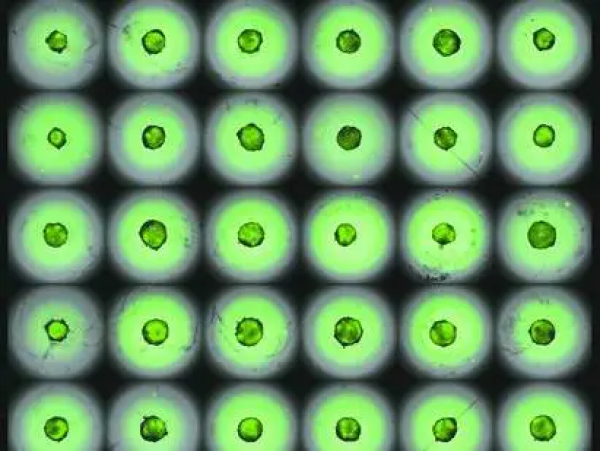
Reproducibility of heart model development. Image source: Sasha Mendjan and others
Sasha Mendjan, a biologist at the Austrian Academy of Sciences, and his team used human pluripotent stem cells to cultivate a sesame-sized heart model, also known as the heart line. It can spontaneously organize and exhibit a hollow atrium without experimental support. Mendjan’s team activated all six known signal pathways involved in embryonic heart development in a specific order to induce stem cells to organize themselves.
As cells differentiate, they begin to form different layers-structures similar to the heart wall. After a week’s development, these organs self-organized into a 3D structure with a closed cavity, which almost reproduced the spontaneous growth trajectory of the human heart. In addition, the research team also found that the heart wall tissue can contract rhythmically and squeeze the liquid in the cavity.
The team also tested the response of heart organs to tissue damage. They used a cold steel bar to freeze some heart organs and killed many cells in this area. It was found that cardiac fibroblasts (a kind of cells responsible for wound healing) began to migrate to the injured area and produced protein to repair the injury. Related research was published in Cell on May 20th. This progress enabled scientists to create some of the most authentic heart organs so far, which made it possible for pharmaceutical companies to introduce more drugs into clinical trials.